What This Calculator Does
Compare your loaded pack to body weight and estimate a more comfortable target before a backpacking or hike-in camp trip. It is built for quick planning before you buy gear, load a vehicle, pack a backpack, or leave for a campground where small mistakes can become expensive or uncomfortable. The result should be treated as a range-aware starting point, then checked against your actual gear, local rules, weather, and group needs.
How This Calculator Works
(base weight + consumables) ÷ body weight × 100. The calculator marks 20% or less as the green planning range, 20-25% as a caution range, and above 25% as a heavier load that deserves a gear review.
This calculator compares loaded pack weight with body weight because a pack that feels reasonable for one hiker can be punishing for another. The 20% guideline is not a medical rule, but it is a useful comfort ceiling for many recreational backpackers.
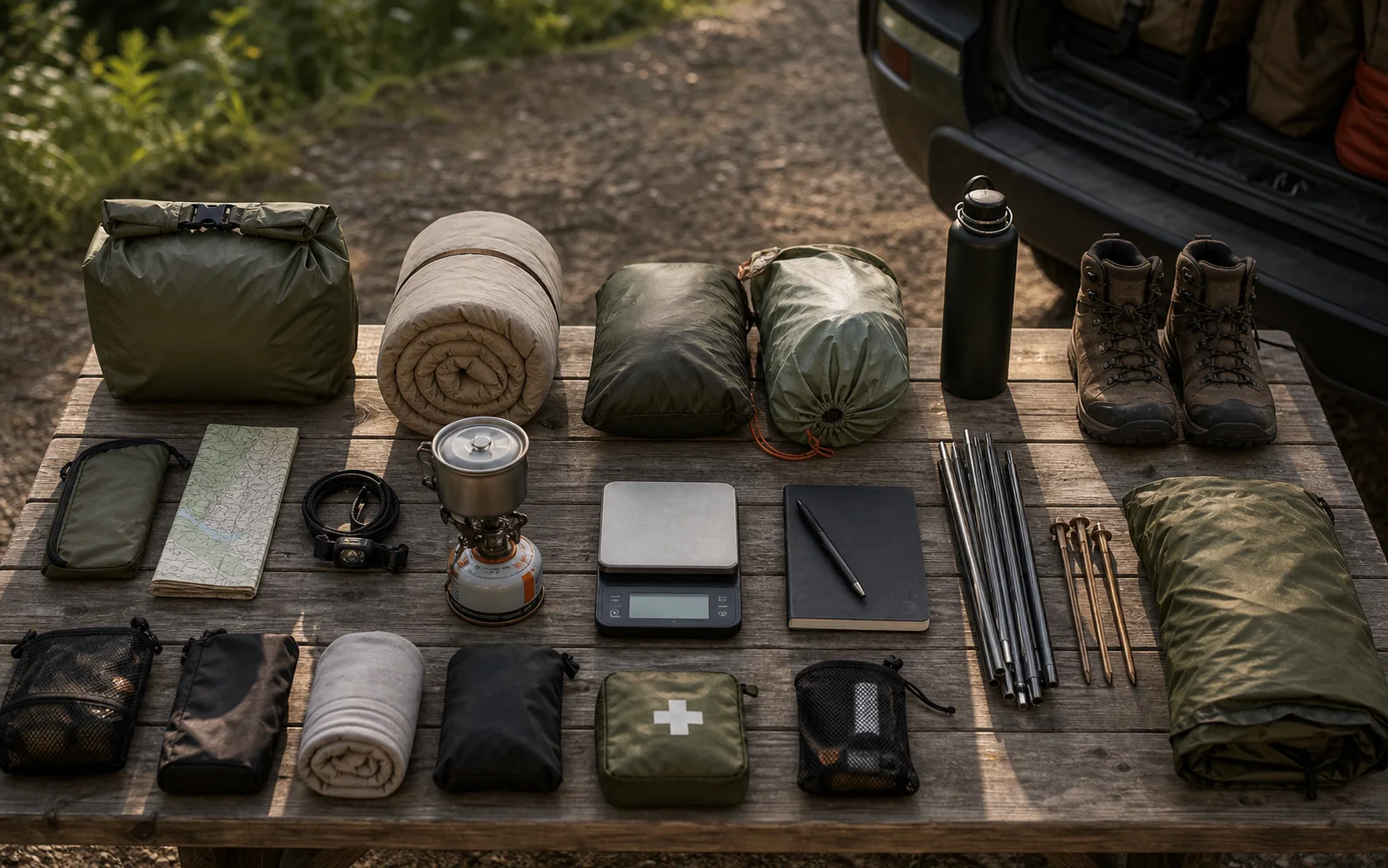
Base weight means the non-consumable kit: pack, shelter, sleep system, clothing, cookware, electronics, repair items, and safety gear. Consumables include food, water, and fuel because they change during the trip. The calculator combines both to show loaded pack weight.
The color output is deliberately simple. Green means the load is at or below 20% of body weight. Amber means 20-25%, where fitness, terrain, and experience matter more. Red means above 25%, where many hikers should reduce weight, shorten mileage, or reassess the plan.
Planning Factors
| Factor | Planning Range | Why It Matters |
|---|---|---|
| Green range | 20% or less | A common comfort target for many recreational hikers. |
| Amber range | 20-25% | Can be manageable, but terrain and fitness matter. |
| Red range | Over 25% | Review gear weight, mileage, and safety margins. |
| Consumables | Variable | Food, water, and fuel decrease during the trip. |
Field Tips
- Weigh the packed bag, not only individual items on a spreadsheet.
- Separate base weight from consumables so trip length does not hide gear bloat.
- Reduce duplicated clothing, oversized cookware, and excess water carried between reliable sources.
- Consider terrain, elevation, heat, and experience before accepting a heavy load.
Common Mistakes
- Comparing base weight to body weight and forgetting water and food.
- Using optimistic manufacturer weights instead of weighing the packed kit.
- Carrying too much water without checking reliable refill options.
- Letting group gear become one person's hidden overload.
When to Recalculate
Run the numbers again whenever the trip changes in a meaningful way: one more person joins, the forecast gets hotter or colder, the campground rules change, a resupply point becomes uncertain, or you swap a major piece of gear. Outdoor planning is rarely a one-and-done decision. A quick recalculation before packing can catch mismatches that are easy to miss when you are focused on reservations, food, driving time, and weather windows.
For the cleanest estimate, use the calculator once during early planning and again after your gear is staged. The first pass helps with shopping and route decisions. The second pass catches real-world details: extra layers, water containers, fuel, bulky pads, damp-weather backups, and group items that were not obvious at the start.
Related Planning Guides
Use this tool alongside the broader Trail Gear Journal planning library. Good estimates work best when paired with gear judgment, campsite organization, and current trip conditions.
- Camping Calculators
- Best Sleeping Bags for Cold Weather Camping
- Jetboil Flash vs MSR PocketRocket 2
- Sleeping Bag Temperature Calculator
FAQ
What percentage of body weight should a backpack be?
A common planning target is 20% or less of body weight for a loaded backpack. Some experienced hikers carry more, but comfort depends on terrain, fitness, and trip length.
Is 25% of body weight too heavy?
It can be heavy for many hikers, especially on steep terrain or long days. Treat 20-25% as a caution range and above 25% as a reason to reassess.
Should water count in backpack weight?
Yes. Water is part of loaded pack weight, even though it is consumable. It can be one of the heaviest items at the start of a day.
What is base weight?
Base weight is the pack and non-consumable gear before food, water, and fuel are added.
Can a beginner carry more than 20%?
Some can, but beginners usually benefit from staying conservative while they learn pacing, footwear, terrain, and recovery needs.